
How Aluminum Frames Improve Structural Stability in Homes
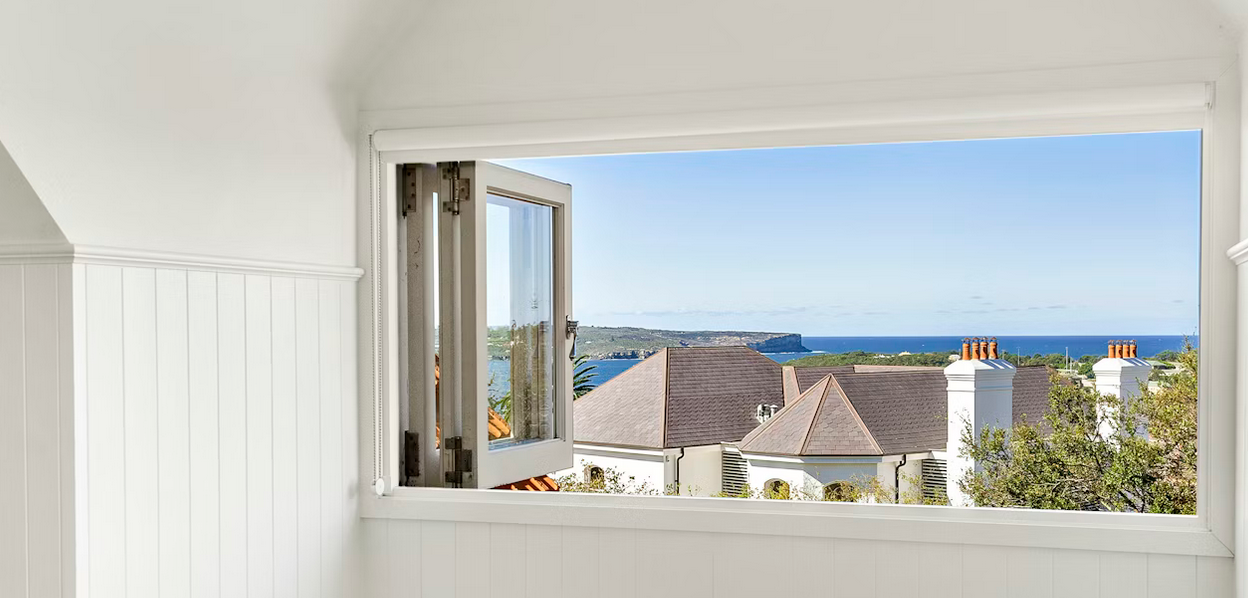
Homeowners increasingly look for building materials that balance strength, durability, and modern design, especially when planning for long-term stability. Aluminum framing has emerged as a reliable option because it resists warping, corrosion, and structural fatigue better than many traditional materials. When you start searching aluminium doors and windows, it is clear that aluminum framing creates a cohesive system that enhances load distribution and overall structural integrity. Its lightweight nature reduces stress on foundations while still providing impressive strength and support. Over time, these qualities help homes maintain alignment, performance, and visual appeal. Understanding how aluminum framing contributes to stability reveals why it is becoming a preferred choice in contemporary residential construction.
Strength Without Excess Weight
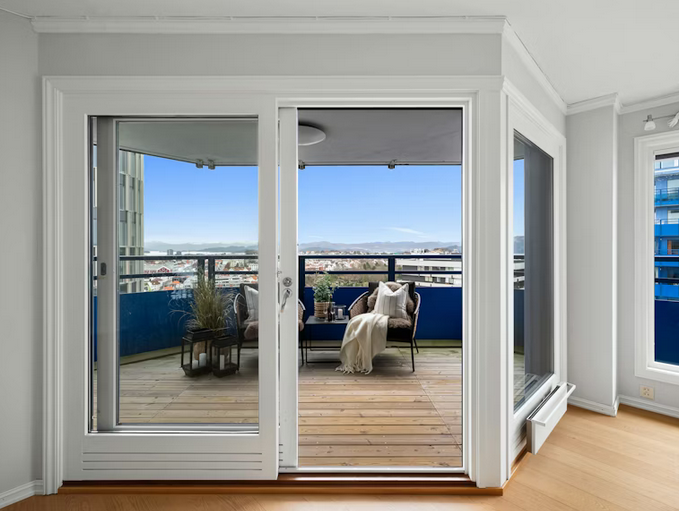
Aluminum frames deliver exceptional structural strength while remaining lightweight, a combination that supports stability across the entire home. This reduced weight places less stress on foundations, lowering the risk of settling or cracking over time. Builders can use aluminum to create wider openings, taller walls, and cleaner lines without compromising safety or durability. Its uniform composition ensures consistent performance throughout the structure, avoiding weak points that sometimes appear in natural materials. For homeowners, this means a solid frame that holds up under daily use, seasonal shifts, and long-term occupancy without unexpected structural surprises.
Resistance to Environmental Stress
One of aluminum’s strongest advantages is its resistance to environmental factors that commonly affect homes. It does not absorb moisture, which prevents swelling, rotting, or mold-related deterioration. Aluminum also performs well in areas with temperature fluctuations, maintaining stability during heat waves or cold spells. This resilience reduces movement within the structure, helping walls, doors, and windows remain properly aligned. Over time, this stability contributes to fewer repairs and a more secure living environment. Simply put, aluminum stays calm when the weather does not, which is exactly what a home frame should do.
Long-Term Durability and Design Flexibility
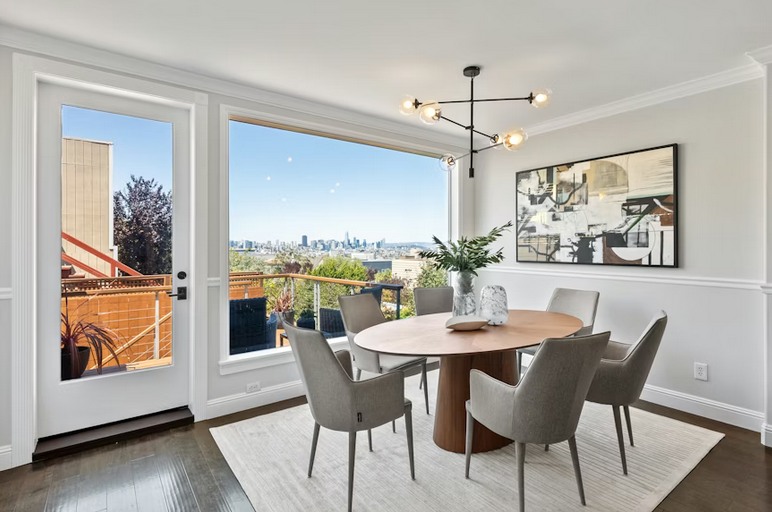
Aluminum frames support long-term structural integrity while offering flexibility in modern home design. Their durability allows them to maintain load-bearing capacity for decades with minimal degradation. This reliability supports renovations, extensions, or layout changes without compromising stability. Aluminum also integrates smoothly with other building materials, enhancing overall performance. From a design standpoint, its strength allows architects to experiment with open spaces and contemporary styles while maintaining a solid framework. The result is a home that balances visual appeal with dependable construction, giving homeowners peace of mind and design freedom.
Aluminum frames play a vital role in improving structural stability in modern homes. Their strength without excess weight reduces foundation stress, while resistance to environmental factors ensures consistent performance year after year. Combined with long-term durability and design flexibility, aluminum offers a dependable solution for homeowners seeking stability and longevity. As housing demands evolve, aluminum framing supports safer, stronger, and more adaptable living spaces. Choosing this material is not just a design decision; it is an investment in structural confidence that stands firm over time.